
Breastfeeding Basics: How a Mother’s Diet Affects Breast Milk Quality and Supply
The Complete Breastfeeding Guide for Nigerian Mothers and other parts of Africa
BREASTFEEDING
Mmachukwu Orizu (The Mumtritionist Africa)
3/17/20267 min read
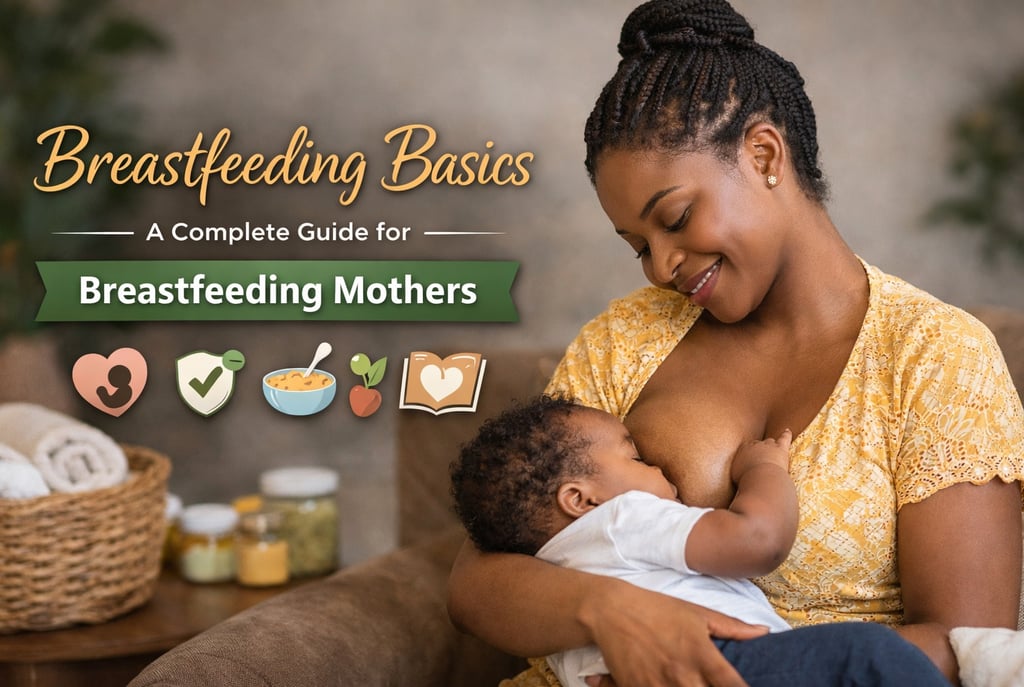

For thousands of years, long before baby formulas, feeding bottles, or laboratory nutrition products existed, human babies survived and thrived on one thing: their mother's milk.
Breast milk is not just food. It is living human milk, designed specifically for human babies. It contains nutrients, immune protection, hormones, enzymes, and beneficial bacteria that scientists are still trying to fully understand.
Unlike formula—which is usually manufactured from processed cow’s milk in laboratories—breast milk is produced by the mother’s body in real time, responding to the needs of her growing baby.
Even more remarkable is how this milk appears. A woman can live for decades without producing milk. Yet the moment she gives birth; her body begins producing a food capable of sustaining another human life. At the same time, the newborn baby—who has never been taught anything—instinctively knows how to crawl toward the breast, latch on, and begin feeding.
This is not coincidence. It is God’s design for life. It is one of the most beautiful examples of how God, in creation, provides nourishment for the life it creates.
Yet today, mothers across Nigeria, Africa, and the world are increasingly confused about breastfeeding.
Aggressive marketing of infant formulas, cultural myths, hospital practices, and widespread misinformation have made many question something that has sustained humanity for centuries.
Our world is now full of colourful advertisements for infant formula and growing pressure to introduce baby foods too early, thus, mothers are slowly losing confidence in one of the greatest gifts God has given us in nature: the ability to nourish our babies with breast milk.
Across Africa today, more and more mothers are asking the same questions on Google and in maternity clinics:
Is my breast milk enough for my baby?
What foods increase breast milk supply?
Why is my baby refusing to breastfeed?
Do I need formula if my baby cries often?
What should a breastfeeding mother eat?
These are real concerns for many new mothers.
This guide is written to restore confidence in breastfeeding.
It explains the science, the nutrition, the challenges, and the practical realities of breastfeeding so mothers can make informed decisions for their babies.
This comprehensive guide will help you understand:
how breast milk is produced
how a mother’s diet affects breast milk quality and quantity
African foods that naturally support milk production
why babies under six months need only breast milk
what to do if a baby refuses to breastfeed
how to overcome common breastfeeding challenges
and how mothers can protect their own health while nourishing their babies
Whether you are a new mother, an expecting mother, a father who wants to support breastfeeding, or a caregiver helping a young family, this guide will help you rediscover the miracle, science, and wisdom behind breastfeeding.
Because when mothers are properly supported and nourished, breast milk truly becomes what many health experts call “liquid gold”—the perfect first food for human life.
1. Understanding the Miracle of Breast Milk
Breast milk is often called liquid gold, and for good reason.
Unlike formula, which is created in laboratories, breast milk is a living biological fluid produced by the human body specifically for the human baby.
Breast milk contains:
antibodies that fight infections
immune cells that protect the baby from disease
enzymes that help digestion
hormones that support growth and development
nutrients perfectly balanced for infant needs
What makes breast milk even more remarkable is that it changes over time.
A mother's milk evolves according to:
the baby's age
the baby's health status
the mother's health and diet
the baby's feeding patterns
For example, when a baby is sick, signals from the baby's saliva during breastfeeding can trigger the mother's body to produce milk with more immune-protective factors.
No laboratory formula can replicate this biological intelligence.
2. The Three Stages of Breastfeeding Every Mother Should Know
Global health organizations like the World Health Organization (WHO) and UNICEF recommend three stages of breastfeeding.
Early Initiation of Breastfeeding
Breastfeeding should begin within one hour after birth.
Early initiation helps:
stimulate milk production
strengthen mother-baby bonding
provide colostrum (the baby's first protective milk)
reduce newborn mortality
Colostrum is thick, yellowish milk produced in the first few days after birth. Though small in quantity, it is extremely rich in immune protection and nutrients.
Exclusive Breastfeeding (0–6 Months)
Exclusive breastfeeding means:
The baby receives only breast milk.
No:
water
herbal mixtures
pap
formula
juice
Breast milk already contains enough water and nutrients for babies during the first six months.
Exclusive breastfeeding protects babies against:
diarrhea
pneumonia
infections
malnutrition
It also supports healthy brain development.
Continued Breastfeeding (6 Months to 2 Years and Beyond)
At six months, babies begin eating complementary foods, but breastfeeding should continue.
WHO and UNICEF recommend breastfeeding up to two years and beyond alongside family foods.
Unfortunately, many mothers face criticism for breastfeeding older babies. Some people say a child who can talk should stop breastfeeding or that breastfeeding after one year spoils a child.
These beliefs are not supported by science.
Breastfeeding beyond infancy continues to provide nutrition, immunity, and emotional security.
3. How Breast Milk Is Produced
Milk production works on a simple biological principle:
Supply and demand.
The more a baby sucks, the more milk the body produces.
Two hormones control milk production:
Prolactin – stimulates milk production
Oxytocin – releases milk from the breast
When babies feed frequently, these hormones increase milk supply.
When breastfeeding is reduced, milk production slows down.
This is why frequent breastfeeding is important, especially in the early weeks after birth.
4. Maternal Diet and How It Affects Breast Milk
Many mothers ask:
What foods increase breast milk?
What should breastfeeding mothers eat?
Does diet affect milk supply?
A breastfeeding mother's diet affects both milk quality and maternal health.
Producing milk requires additional energy and nutrients.
On average, breastfeeding mothers need:
extra calories
additional protein
higher calcium intake
Calcium
iron
healthy fats
vitamins and minerals
Eating balanced meals helps mothers maintain energy and maintain milk supply.
Energy-Dense/High Calorie Foods for Breastfeeding Mothers
yam
rice
sweet potatoes
pap (ogi)
millet
whole grains
garri
oats
Protein Foods That Support Milk Production
beans
lentils
eggs
chicken
fish
goat meat
milk and yoghurt
soybeans
groundnuts
Healthy Fats for Breastfeeding
avocados
groundnuts
coconut
sesame seeds
fatty fish such as sardines
5. Foods That Support Milk Production in Nigeria and Across Africa
Many traditional foods in Nigeria (and other parts of Africa) support lactation.
These foods are known as galactagogues, meaning foods that support milk production.
Common Nigerian and African lactation foods include:
pap (ogi)
millet
oats
tiger nuts
moringa leaves
ugu leaves
spinach
beans
Cashew nuts
Groundnuts
Coconut
sesame seeds
dates
Soups commonly eaten postpartum also support breastfeeding:
pepper soup
ogbono soup
Ji mmiri oku (with omugwo spices)
okra soup
vegetable soups rich in leafy greens
These foods provide essential nutrients needed for both mother and baby.
6. Other Global Foods Known to Support Breast Milk
Beyond Africa, several foods are also recognized for supporting lactation.
These include:
oats
barley
fennel seeds
fenugreek
almonds
flaxseeds
Chia Seeds
brewer's yeast
Many breastfeeding nutrition products worldwide are built around these ingredients.
7. The Hidden Cost of Breastfeeding: Why Mothers Must Eat Well
Breastfeeding is beneficial for babies, but it also places nutritional demands on mothers.
One fact many people do not talk about is that mothers can lose significant bone minerals during breastfeeding, especially calcium.
Producing breast milk requires approximately 500 mg of calcium daily.
If a mother's diet does not supply enough calcium, the body may temporarily draw calcium from the mother's bones.
Most women naturally recover bone density after breastfeeding ends, but this recovery depends heavily on good nutrition and spacing pregnancies.
Mothers who underfeed themselves during breastfeeding, especially while trying to lose postpartum weight quickly, may increase their risk of nutritional depletion.
Breastfeeding mothers should prioritize nutrient-dense foods such as:
milk and dairy products
leafy vegetables
beans
nuts
fish
calcium-rich traditional foods
Breastfeeding mothers can obtain calcium and other nutrients from the following Nigerian foods:
Dairy foods
milk
yoghurt
cheese
Fish
sardines/mackerel (titus fish)
dried fish
stockfish
smoked fish
Leafy vegetables
ugu
moringa
spinach
bitter leaf
Seeds and nuts
sesame seeds
groundnuts
almonds
Legumes
beans
soybeans
Other foods
millet
fortified cereals
tiger nuts
Breastfeeding mothers should avoid underfeeding themselves while trying to lose postpartum weight.
Proper maternal nutrition protects both milk quality and the mother's long-term health.
8. When Babies Refuse to Breastfeed
Sometimes babies refuse the breast, which can worry mothers.
Breast refusal may occur due to:
Medical causes
tongue tie
illness
prematurity
neurological conditions
Non-medical causes
bottle preference
poor latch
stress during feeding
changes in routine
Solutions may include:
correcting latch
skin-to-skin contact
expressing milk
spoon feeding expressed breast milk
cup feeding
In some cases, professional lactation support is needed.
9. Common Breastfeeding Challenges
Many mothers experience challenges such as:
low milk supply
sore nipples
engorgement
blocked milk ducts
mastitis
These issues are common and often manageable with proper support.
Frequent feeding, good latch technique, rest, hydration, and good nutrition usually help resolve many problems.
10. Expressing Breast Milk and Feeding on the Go
For working mothers or busy families, expressing breast milk can help maintain breastfeeding.
Mothers can express milk by:
hand expression
manual pumps
electric breast pumps
Expressed breast milk can be stored safely and fed using:
cups
spoons
feeding bottles (when appropriate)
This allows fathers and caregivers to participate in feeding while breastfeeding continues.
11. Why Some Mothers Cannot Breastfeed
While breastfeeding is natural, not all mothers can breastfeed.
Reasons may include:
certain medical conditions
medications incompatible with breastfeeding
severe illness
previous breast surgery
infant medical condition
Mothers in these situations deserve support, not judgment.
Infant feeding decisions should always consider the health of both mother and baby.
12. Hospital Practices and Breastfeeding Support
Unfortunately, some hospital practices do not always support breastfeeding.
Common issues include:
delayed breastfeeding initiation
unnecessary formula introduction
poor lactation support
Healthcare professionals should prioritize helping mothers initiate breastfeeding early and manage common challenges before recommending formula.
13. Why Babies Do Not Need Solid Food Before Six Months
Many mothers worry that their babies are not getting enough food and consider introducing solids too early. However, babies under six months only need breast milk.
Early introduction of solid foods can:
increase infection risk
interfere with milk production
stress the baby's digestive system
Breast milk alone provides adequate nutrition during the first six months of life.
14. The Importance of Birth Spacing
In many communities, mothers plan to have children very close together.
However, short birth spacing can affect maternal nutritional recovery.
Because breastfeeding places nutritional demands on mothers, adequate spacing between pregnancies allows the mother's body to restore nutrient stores, including calcium and iron.
Health experts generally recommend spacing pregnancies by at least 18–24 months.
15. The Transition to Complementary Feeding
At around six months, babies begin a new nutritional stage.
Breast milk remains important, but babies now need additional nutrients from foods.
Complementary feeding should include:
nutrient-dense foods
iron-rich foods
safe, hygienically prepared meals
Breastfeeding continues alongside these foods until two years and beyond.
Final Thoughts
Breastfeeding is not just feeding.
It is nourishment, immunity, comfort, and connection.
It is one of the most powerful investments a mother can make in her child's health and future.
While modern formulas exist for situations where breastfeeding is not possible, breast milk remains the gold standard of infant nutrition.
When mothers receive the right information, support, and nutrition, breastfeeding becomes easier and more successful.
For many families, rediscovering the value of breastfeeding may be one of the most important health decisions they ever make.
Connect
Join us in nurturing mothers and children.
CONTACT
Resources
hello@mumtritionist.com
+234-903-362-9908
© 2026. The Mumtritionist Africa Ltd. All rights reserved.